Why People Develop Personal Rituals Before Taking A Spin
15 August 2026 | 304
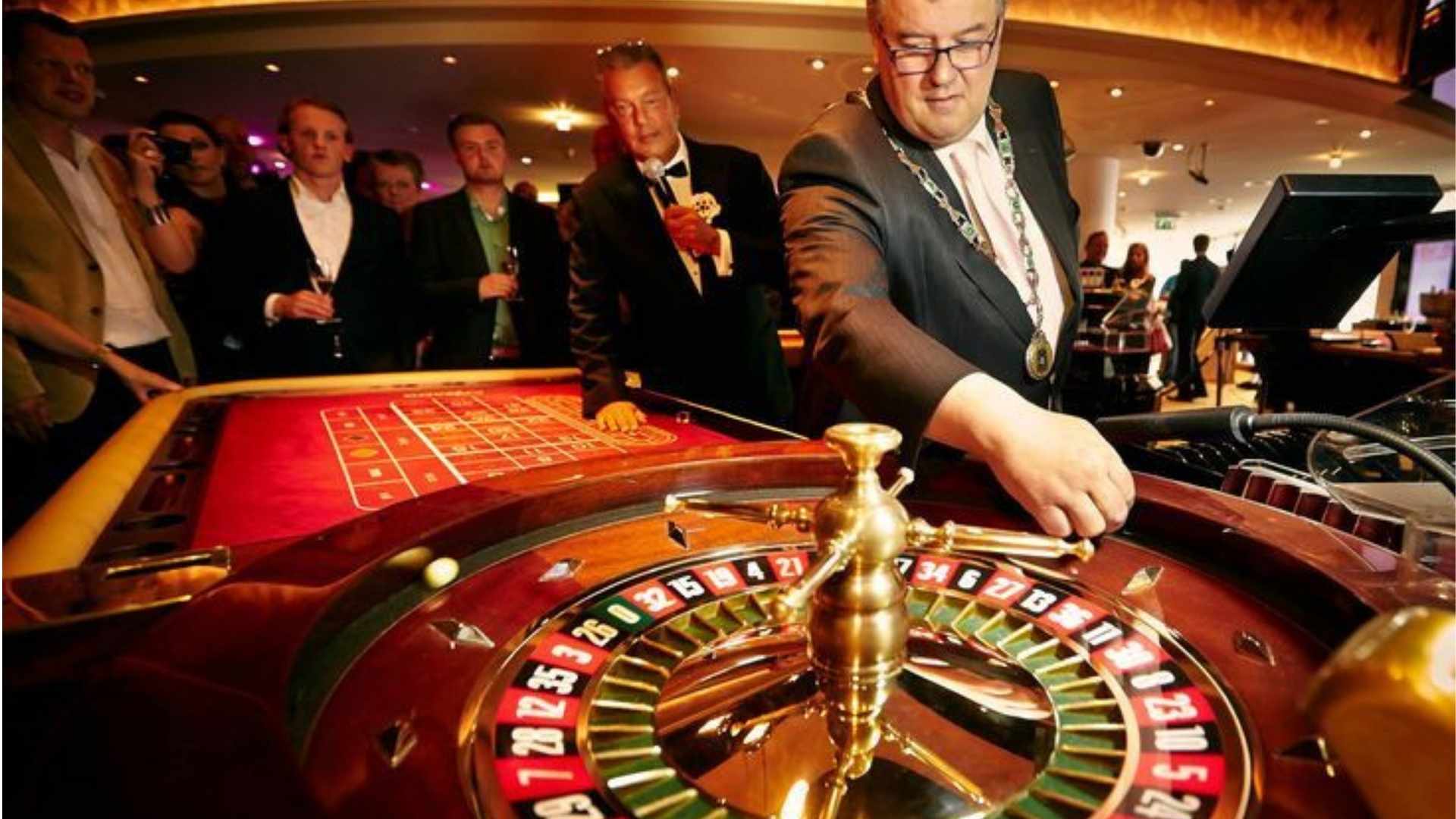
Human behavior often shifts in fascinating ways when confronted with elements of pure chance or random outcomes. Whether standing before a massive prize wheel at a local carnival or engaging with a digital selector on a smartphone screen, many individuals feel a sudden urge to perform a specific sequence of actions before initiating the motion. These personal routines reveal how deeply our minds seek connection and predictability when faced with absolute uncertainty.
The Psychological Need for Control
Psychological studies consistently show that human beings harbor an innate biological necessity to feel in control of their immediate environments. When an outcome rests entirely on an unbiased mathematical algorithm or mechanical physics, it creates a temporary state of vulnerability that the brain naturally tries to mitigate. Engaging in minor physical patterns provides a comforting sense of agency that makes the waiting period much easier to handle.
By establishing a brief personal routine, a participant mentally bridges the gap between their actions and the upcoming random result. This behavioral pattern helps regulate sudden spikes of situational stress, offering a grounding mechanism before entering a point of no return. Even when individuals logically understand that their actions cannot influence the machine, the emotional relief remains highly effective.
Creating Meaning Within Randomness
The cognitive wiring of the human brain is optimized to discover patterns and construct coherent narratives from completely scattered experiences. When a prize wheel revolves, the mind does not just see shifting colors but actively searches for a deeper structure or sequence. Developing a habit before a game begins is a creative way to turn a sterile mathematical probability into a meaningful personal event.
Over time, these brief habits evolve into deeply ingrained traditions that shape how enthusiasts approach different entertainment formats. Many players who enjoy sports or probability games across global platforms, such as the diverse options on m88 - m thể thao, find that a balanced approach to interactive systems benefits from a calm and structured mindset. Cultivating an intentional sequence of steps transforms a passive observation into an active and memorable narrative choice.
Building Confidence Through Familiar Repetition
Repetition acts as a powerful psychological tool that naturally builds inner competence and emotional stability over time. Performing the exact same gesture before initiating a rotation allows the subconscious mind to treat a highly chaotic event as something familiar and safe. This simple conditioning helps clear the mind of negative distractions and brings a focused clarity to the present moment.
When a participant feels grounded by a personal tradition, their overall enjoyment of the activity increases significantly regardless of the final outcome. The ritual itself becomes a rewarding component of the entertainment loop, offering a structured boundary around pure unpredictability. Ultimately, these unique habits highlight our ongoing fascination with luck and the creative ways we navigate the boundaries of chance.